
Guitar Practice
I > ♭III Progressions
In jazz (along with most other genres) the I chord is most often followed by either the vi, ii, IV, or V chord. While those chords sound good together, they're also predictable - leading tons of songs to have a similar sound.
One way we can create a different sound is the follow the I chord with a ♭III (Flat Dominant) chord.
In the key of C Major, the diatonic 3rd chord is e minor. We can switch things up by instead using a Dominant chord a half-step down from that - so Eb7.
A I → ♭III progression is striking because the ♭III chord doesn’t belong to a major key, so it instantly adds a bold, dramatic color. Instead of creating tension like a dominant V chord, it creates a surprising but smooth modal shift, since it borrows from the parallel minor and shares some common tones with the tonic’s relative minor.
You’ll hear this move a lot in rock, pop, and cinematic music because it gives a song a bigger, more emotional, slightly “epic” feel. It momentarily pulls the harmony outside the key without sounding dissonant, adding character and depth with just one unexpected chord.
Below, we'll take a look at 3 different 4-chord progressions, each starting with Cmaj7 → Eb7.
1.

2.

3.

To practice this concept further, try playing the same progressions using different chord voicings. Then, try to transpose it to other keys.
Guitarist/Educator Spotlight
Andy Crowley, Andy Guitar
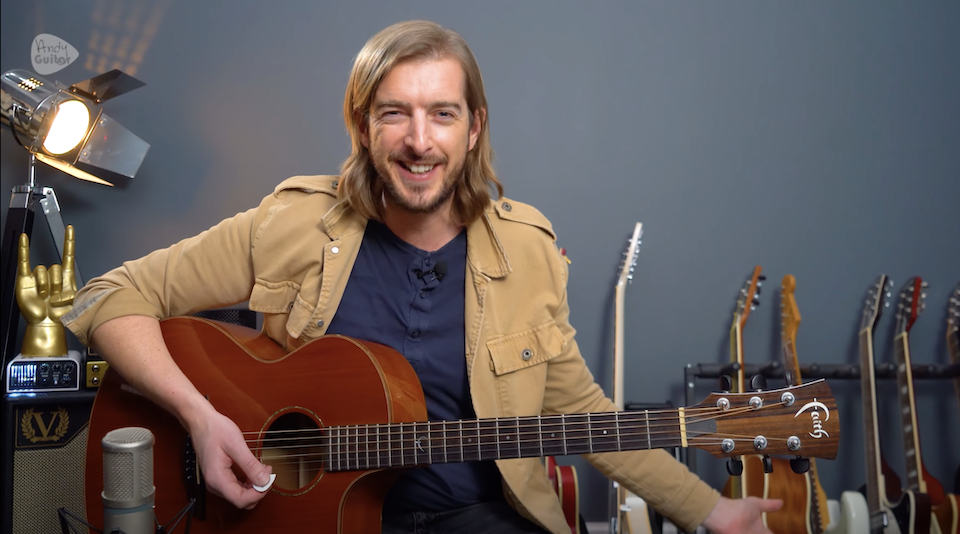
Andy Crowley is the founder of Andy Guitar, one of the internet’s most trusted resources for beginner guitar players. Since launching his online lessons in 2009, Andy has helped millions of new musicians pick up a guitar with confidence. His teaching style stands out in a crowded field of online instructors because he focuses on what true beginners actually need—clear guidance, steady pacing, and simple steps that lead to real progress.
While many online teachers dive quickly into advanced riffs or theory, Andy takes a different approach. His lessons are intentionally slow, approachable, and carefully structured so new players never feel lost or overwhelmed. Each video is short and to the point, showing exactly what to do without unnecessary jargon. Even though he clearly knows his stuff, he avoids talking over a beginner’s head, which makes his channel an easy place to learn at your own pace.
A big part of Andy’s success comes from how well-organized his curriculum is. His lessons follow a logical progression, building skills layer by layer. When covering tougher concepts, he patiently repeats ideas until they sink in, giving students the space to develop muscle memory and confidence. This supportive teaching style helps beginners see noticeable improvements quickly—something that keeps them motivated to stick with the instrument.
Today, Andy’s YouTube channel has become a massive hub for new guitarists, offering hundreds of free lessons covering chords, strumming patterns, songs, theory basics, and more. For players ready to take the next step, he also runs AndyGuitar.co.uk, where he offers a wide library of premium, structured courses designed to guide learners through their first months or even years of playing.
Whether you’re picking up a guitar for the very first time or returning after a long break, Andy Guitar remains one of the friendliest and most effective places to start your musical journey.
Check out Andy Guitar and his YouTube channel
Gear Showcase
Positive Grid Spark Guitar Amps
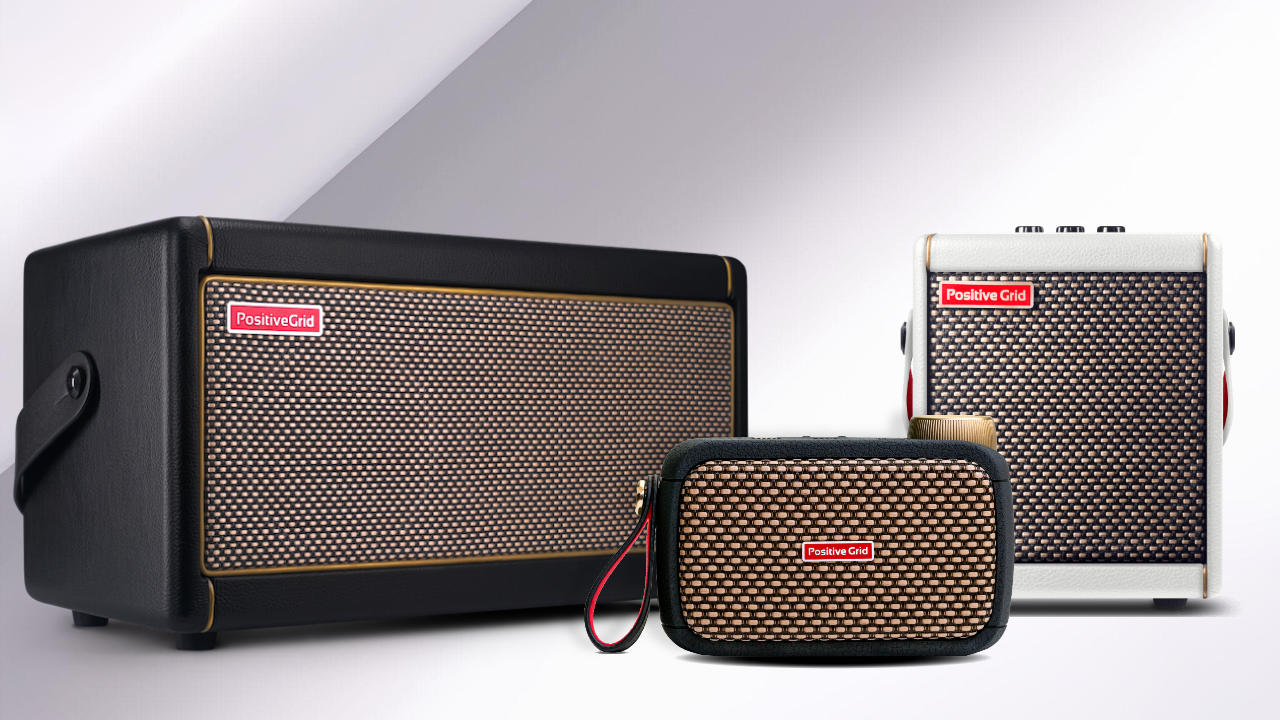
The Positive Grid Spark is a modern, smart guitar amplifier created to make practicing, recording, and experimenting with new tones easier and more inspiring. Instead of being just a traditional amp, the Spark feels more like a practice partner—packed with amp models, effects, Bluetooth audio, and an app that can generate backing tracks, suggest chords, and help you learn songs. It’s designed for players who want great sound at home, on the go, or even on stage, without needing a big pedalboard or complicated setup.
Positive Grid offers several Spark models, each tailored to different situations and playing styles:
• Spark 40 – The original and best-known model. This 40-watt desktop amp delivers surprisingly rich sound for its size, making it perfect for home practice, recording, and playing along with music. It includes a huge library of amp tones and effects, plus features like Smart Jam and Auto Chords through the Spark app. Many players see it as the “standard” Spark experience.
• Spark MINI – A smaller, portable version that still packs in the same smart features. It can run on a rechargeable battery and has stereo speakers that sound much bigger than the amp looks. It’s ideal for traveling, jamming around the house, or plugging into your laptop for quick recording sessions. The MINI is all about convenience without sacrificing good tone.
• Spark GO – This is the smallest Spark in the family—a pocket-sized smart amp you can toss in a bag or even clip to your guitar strap. Despite its tiny footprint, it uses the same modeling technology as the larger models and works seamlessly with the Spark app. It’s great for practice on the road, late-night sessions, or playing along with backing tracks anywhere you want.
• Spark LIVE / Spark CAB – Spark LIVE is the performance-ready version of the Spark concept. It’s powerful enough for rehearsals and gigs and works as a full-range PA-style system, so you can run guitar, vocals, keyboards, or backing tracks through it. Paired with the Spark CAB—a matching powered speaker cabinet—you can build an even bigger, stage-worthy setup. This is the Spark option for players who want both smart features and live performance volume.
Together, these models make the Spark lineup flexible for just about any guitarist. Whether you want a pocket-sized practice tool or a full-on gigging rig, every Spark amp shares the same goal: making guitar playing more fun, more inspiring, and more accessible for players at any level.
Check out the Positive Grid Spark Amplifier:
News & Notes 🗞️
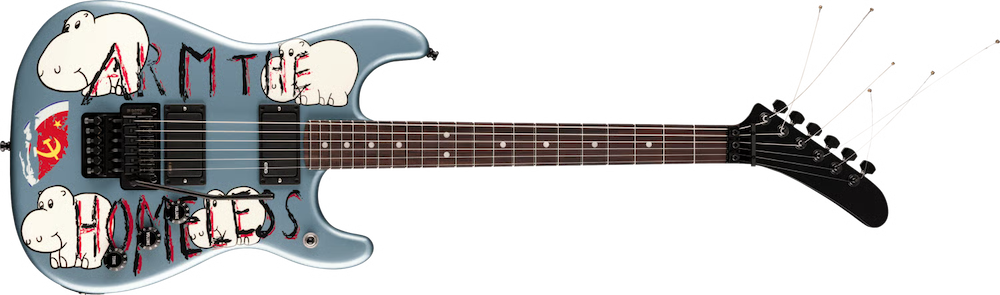
- Fender officially announced the Tom Morello 'Arm The Homeless' signature guitar model.
- Fender also started selling American Vintage II replacement guitar necks. These necks feature one key difference from the typical AVII models - They feature a 9.5" fretboard radius (compared to the usual 7.25" radius).
- 📺 Watch this: Billy Strings NPR Tiny Desk concert.
- Cory Wong interviewed Matteo Mancuso on his podcast. Mancuso discussed his early guitar influences, his unique finger picking style, his warm-up excercises, and more. Apple Podcasts | Spotify
- 📺 Andertons Music released a new video diving into an old classic - the Gibson ES-335.
Enjoy this newsletter? Please forward to a friend or hit reply to share your thoughts.🤘