Guitar Practice
Neo Classical Arpeggio Workout
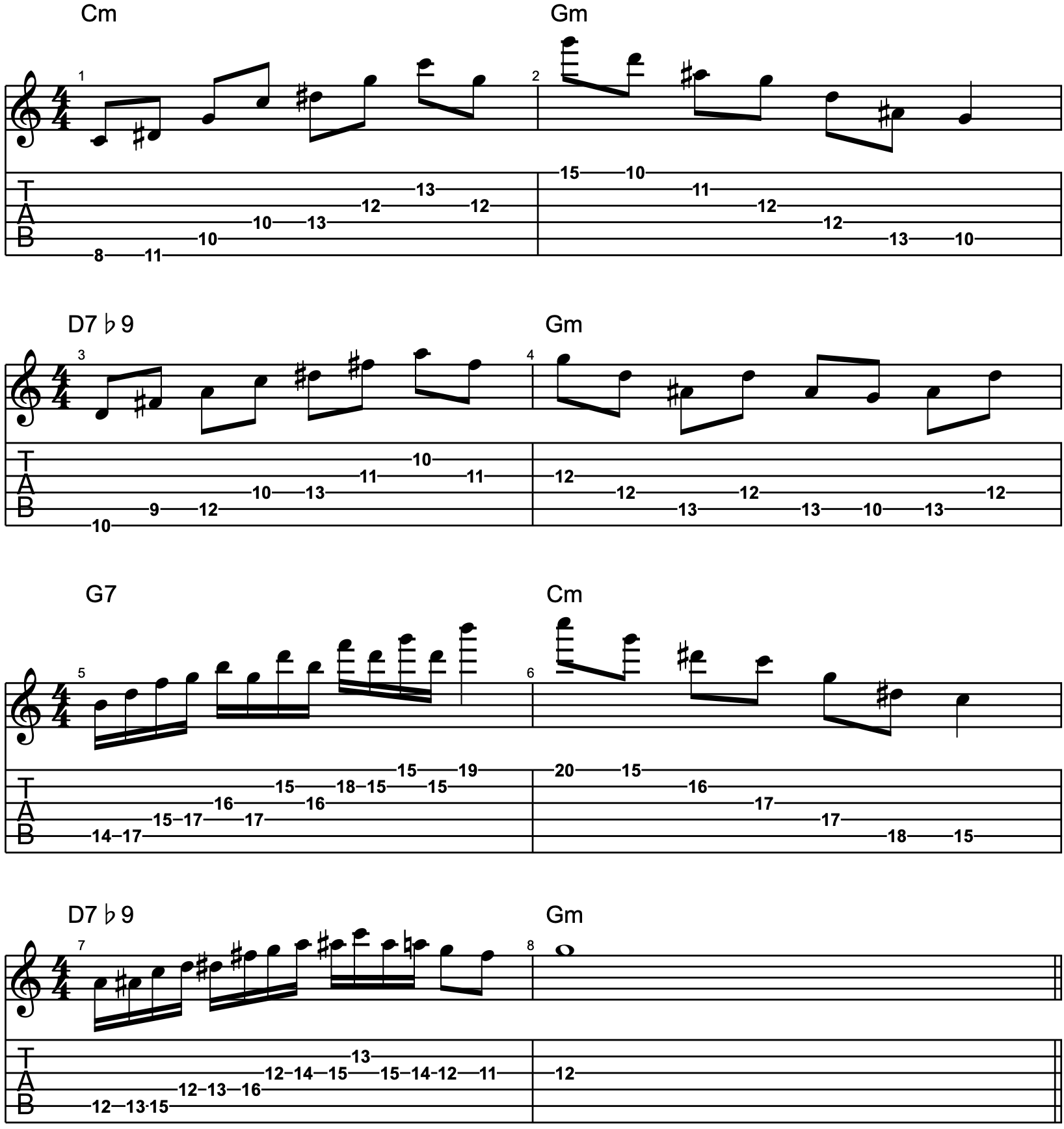
Let's dive into a tricky neo-classical style arpeggio line that's great for working on finger dexterity.
Not only does this use a range of finger patterns across the upper register of the fretboard, it switches from mainly using an 8th notes, to 16th note patterns in the 5th and 7th bars.
To make it a bit more interesting, we add in a few chromatic passing tones in bar 7.
Take this one slow, at least to start. Slowly try to build up your speed after you can play it cleanly at a very slow tempo.
Guitarist Spotlight
Avi Bortnik
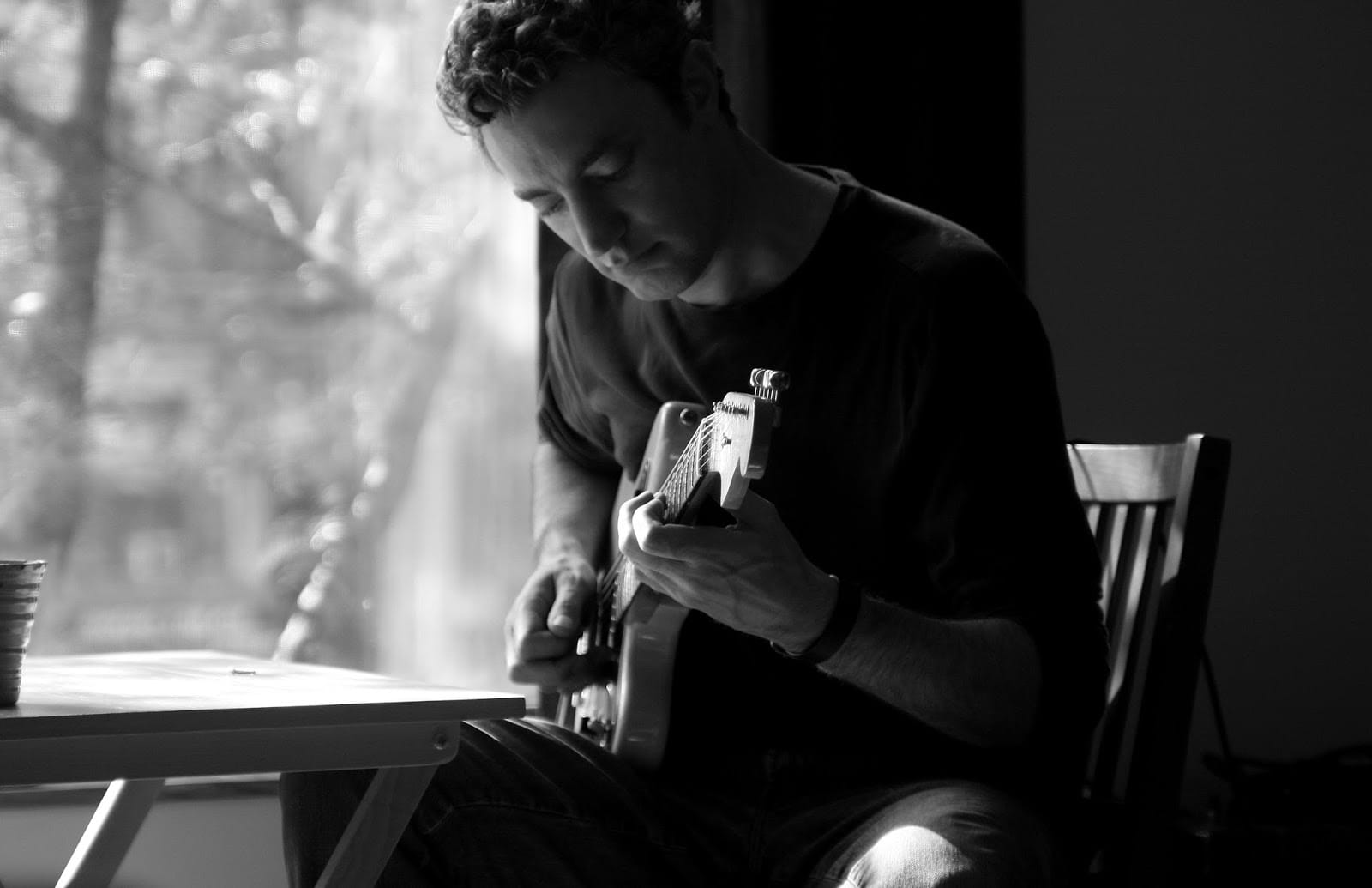
Avi Bortnick is an American guitarist known for his deep sense of rhythm and ability to blend many musical styles. He was born in Petah Tikva, Israel, but grew up in St. Louis, Missouri, where he was surrounded by funk, soul, rock, and other forms of music that later shaped his unique playing style. In his early years, Bortnick played in cover bands and studied music, which helped him develop a strong foundation in groove and feel.
In the late 1980s and early 1990s, Avi lived in the San Francisco Bay Area, where he performed with African, Caribbean, and funk bands. These experiences expanded his musical vocabulary and strengthened his rhythmic approach. While attending graduate school at the University of Florida, he formed the band What It Is, which became known for touring extensively throughout the southeastern United States and building a loyal following.
Bortnick became widely recognized through his long-standing musical partnership with jazz guitarist John Scofield. Beginning in 2000, he joined Scofield’s jam-focused band, contributing rhythm guitar, electronics, and samples. He appeared on several influential albums, including Überjam, Up All Night, and Überjam Deux, where his groove-centered playing helped bridge jazz, funk, and electronic music.
Beyond his work with Scofield, Avi has performed and recorded with a wide range of artists, including Jim Weider’s Project Percolator, Zigaboo Modeliste, Bobby McFerrin, Erik Deutsch, and the Ghost Train Orchestra. He is highly respected among musicians for his ability to support improvisation while adding subtle but essential musical textures.
Today, Avi Bortnick lives in New York City, where he remains active as a performer, composer, and creative collaborator. In addition to music, he works as an acoustical consultant and app developer, creating tools like Time Guru and VoxBeat. Whether on stage, in the studio, or developing new ideas, Bortnick continues to explore music with curiosity, taste, and a strong sense of groove.
Key Gear:
- Fender Highway One Stratocaster
- Fender Jazzmaster
- Fender 2x12 Fender Twin Reverb amp
- Apple MacBook running Ableton Live for samples
- Boss CE-2 Chorus
- Boss TR-2 Tremolo
- MXR Carbon Copy delay
- Strymon El Capistan
- Boss Blues Driver overdrive
Website | Instagram | Bandcamp | Time Guru App | VoxBeat App
Gear Showcase
LAVA MUSIC's LAVA STUDIO AMP
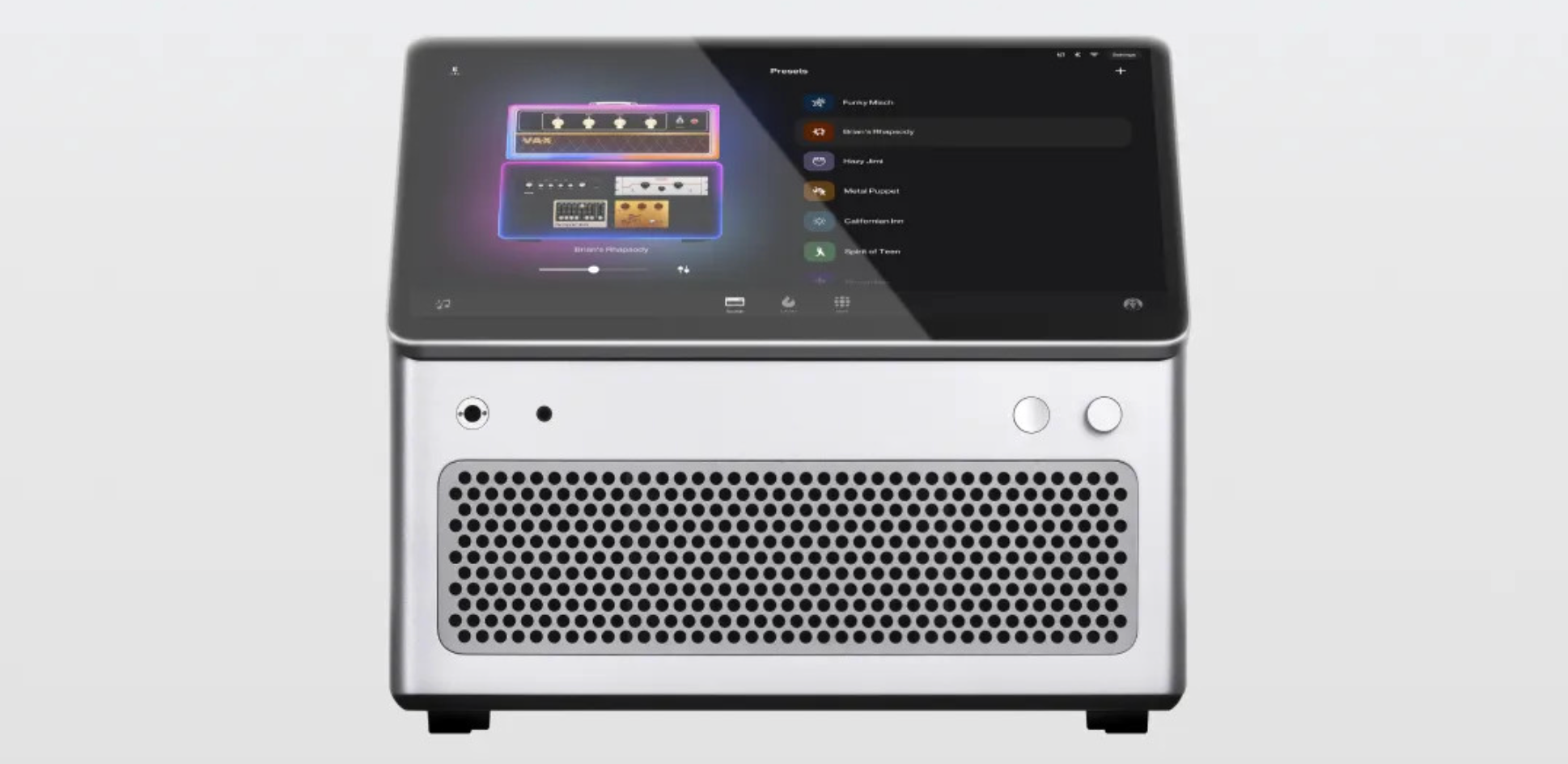
LAVA STUDIO is an all-in-one music creation system from LAVA MUSIC that goes far beyond a typical desktop guitar amp. It combines an amplifier, effects processor, recording setup, and practice tool into one modern unit. With its large 13.3-inch touchscreen, LAVA STUDIO feels more like a creative workstation than traditional music gear. The touch-based interface makes it easy to tweak sounds, record ideas, and move quickly from inspiration to finished music without needing a computer or extra equipment.
Tone shaping is a major focus of LAVA STUDIO. It features AI-modeled amplifiers that capture the feel and sound of classic and modern guitar amps, along with a wide range of built-in effects. These include reverbs, delays, modulation effects, and overdrives that can be arranged in a visual effects chain. This layout helps players understand their signal path and make adjustments quickly, even if they’re new to digital gear or amp modeling.
LAVA STUDIO is also built to support songwriting and practice. It includes recording, looping, and multi-track tools, making it easy to layer parts and build full ideas. Built-in backing tracks and rhythm grooves allow players to practice timing and improvisation, while AI features like stem separation let users isolate or remove parts from songs. This is especially helpful for learning covers, practicing solos, or creating new arrangements.
Sound quality is handled by a built-in 2.1 high-fidelity speaker system, which delivers clear, full sound for both guitar and music playback. The clean, minimalist design fits naturally into a home studio, bedroom, or creative workspace.
LAVA STUDIO is designed for musicians who want a powerful yet simple setup that encourages creativity, practice, and recording—all in a single, thoughtfully designed unit.
LAVA STUDIO is sold primarily through the LAVA MUSIC website. At around $849-$999 (depending on whether it's on sale), it's more expensive than something like the Positive Spark Grid or Boss Katana, but it makes sense considering it's basically an amp and computer/tablet combined into one unique device.
Check out this deep dive Andertons Music recently did about LAVA Studio:
News & Notes 🗞️
- The 2026 NAMM show (the world's largest annual music trade show, where many companies announce their new products for the year) starts today in Anaheim, CA. The show runs through Saturday, January 24.
- Martin Guitar announced they've refreshed their Road Series line of acoustic guitars. The Road Series is Martin's lower-priced, made-in-Mexican line of guitars, and the lineup now includes 20 different models across a range of body shapes and tonewood options. The lineup is built around two paths: Retro, inspired by classic Martin style and heritage, and Modern, designed for contemporary playability and performance.
- Fender launched their own “music production ecosystem”. In 2021, Fender acquired PreSonus, who among other things, made the Studio One digital audio workstation. Fender updated Studio One, and has re-branded it as Fender Studio. They also launched a new line of Quantum LT audio interfaces, as well as a suite of audio plugins.
- After a couple successful limited runs, PRS has added the DGT Semi-Hollow to the PRS Core lineup. This new model offers the unique character of a semi-hollow body while carrying over the features from the Core DGT.
- PRS also announced a S2 Vela HHT, which takes the offset staple and gives it a more modern edge with dual humbucking pickups and a tremolo bridge.
- PRS adds two new satin colors to its U.S.-made Silver Sky: Black Plum and Mojave Brown. The SE Zach Myers is now also offered in a second color: Elderberry Burst.
- PRS introduced a new amp; the Archon Classic 50 Combo. It's a grab-and-go version of their Archon Classic 50 head, featuring a 12″ Celestion V-Type speaker, an intuitive control layout with 3-band EQ, individual channel Volume and Master volume controls, a bright switch, and global Presence and Depth.
Currently Spinning in the Office:
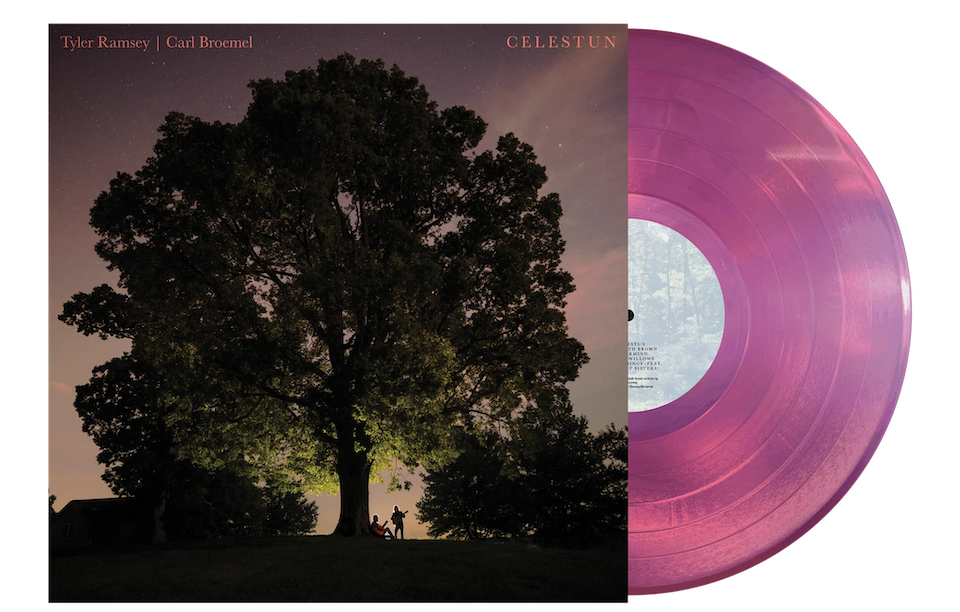
Tyler Ramsey and Carl Broemel: Celestun
Enjoy this newsletter? Please forward to a friend or hit reply to share your thoughts.🤘